
Sacrifices in the Old Testament can seem strange, even repulsive: animal death, blood splashed on altars, covenant salt, ritual uncleanliness. Yet the sacrificial language of Leviticus matters, and not only for Israel’s worship. These offerings underlie the biblical logic of Christ’s atoning death, and Christians have long discussed exactly how they do so. My goal in this article is to lay out the structure of sacrifice and offering in Leviticus 1–5 to help readers understand the underlying theology of sacrifice. Along the way, I will also reference the Passover and Yom Kippur. While these two rites stand outside Leviticus 1–5, the New Testament draws on these texts to show how Jesus fulfills these sacrifices. Table of contentsWhat are sacrifices?What are Levitical sacrifices?Are sacrifices always for sin ? Is uncleanness sin?How do sacrifices achieve atonement or restitution?What is the Day of Atonement in the Bible?What is the Passover in the Bible?How does Jesus fulfill the Bible’s sacrifices?Conclusion What are sacrifices? Sacrifice lies near the center of Israelite worship. While God ultimately desires obedience and faithfulness (e.g., 1 Sam 15:22; Hos 6:6), ritual sacrifices ...
Sacrifices in the Bible: The Strange World of Old Testament Worship
 3 weeks ago
57
3 weeks ago
57
Related

Weekend Roundup
16 hours ago
7

August 2026 New Releases
18 hours ago
8

A True Story of Aging That We’re Missing
1 day ago
10
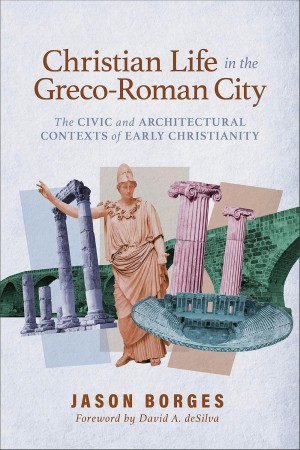
New Book: Christian Life in the Greco-Roman City
3 days ago
16

Popular


5 Benefits of Using Greek in Sermon Prep
2 weeks ago
65

Atonement Theories & 4 Aspects of Christ’s Work
4 weeks ago
65


 English (US) ·
 © Daily Bible 2026. All rights are reserved
