
 4 weeks ago
62
4 weeks ago
62
Even the youngest Christians are usually aware that Jesus was born a baby to save us, lived a holy life, died on the cross for our sins, and rose again from the dead. However, if you ask many Christians to explain why it is that Jesus’s birth, death, and resurrection save us, they may struggle to offer a clear response. The doctrine of the atonement articulates such an explanation for the purposes of evangelism, apologetics, and instruction in the faith. Table of contents Introducing atonement and its theories1. Incarnation and transformational aspects of atonement2. Crucifixion and the transactional aspects of atonement3. Resurrection and triumphant aspects of atonement4. Jesus’s ministry and tutorial aspects of Christ’s workThe atonement and systematic theologyThe atonement and pastoral theologyConclusion Introducing atonement and its theories The English word “atonement” was coined by combining “at” and “one-ment.” This second word was an older way of signifying reconciliation or reunification.1 The theology of atonement thus explores how it is that “God was reconciling the world to himself through Christ” (2 Cor 5:19). Typically, the theology of the atonement explores different...
Related
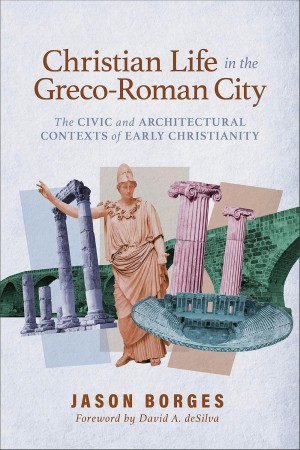
New Book: Christian Life in the Greco-Roman City
1 day ago
5



Popular

Nehemiah Knew When to Rest
4 weeks ago
71


Should We Encourage People to Pray the “Sinner’s Prayer”?
1 month ago
67

Atonement Theories & 4 Aspects of Christ’s Work
4 weeks ago
61

5 Benefits of Using Greek in Sermon Prep
2 weeks ago
60
 English (US) ·
 © Daily Bible 2026. All rights are reserved
