
 3 weeks ago
71
3 weeks ago
71
“When will I actually use this?” It’s a fair question asked by many a Greek student. Preachers-in-training spend hours and hours memorizing verb charts and vocabulary; learning participle, infinitive, and genitive uses; and trying to grasp the grammar until, at long last, they can pull from their vast-yet-shaky knowledge of the language to scratch out a few sentences of the New Testament. Unsurprisingly, many are eager to put into practice what they’ve worked so hard to learn. Yet when they do, the warnings of James Barr and D. A. Carson lurk in the background, haunting seminarians and young preachers. “Avoid the etymological fallacy.” “That’s an illegitimate totality transfer.” “I may be putting too much weight on the aorist here.” We often learn from our Greek professors how not to use our Greek. But how should it be used? If you’ve put in the time to learn the language but aren’t sure what the payoff is—or should be—here are five ways your Greek can help your sermon prep. Table of Contents 1. It helps you slow down and read carefully2. It helps you notice repeated vocabulary and themes3. It helps you recognize and study important words4. It helps you answer exegetical questions5...
Related
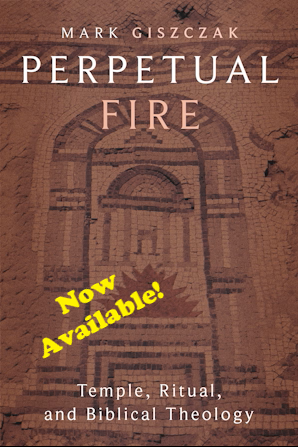
Book Release Day: Perpetual Fire
7 hours ago
3


How to Read the Bible Through the Lens of the Gospel
17 hours ago
9

Taking a Closer Look at 2 Corinthians 1:3–5
17 hours ago
9

Popular

5 Benefits of Using Greek in Sermon Prep
3 weeks ago
70

6. The Parameters of Human Power
2 weeks ago
69


 English (US) ·
 © Daily Bible 2026. All rights are reserved
