
 3 weeks ago
28
3 weeks ago
28

Another common sign of a false preacher is their resistance to accountability and correction. True servants of God understand that spiritual oversight is a protection for both their calling and their character. False teachers however refuse to be questioned rebuked or examined. They treat their authority as untouchable and their words as final as if they are above biblical scrutiny.
Scripture consistently teaches that leaders in the church must not operate independently or without accountability. Proverbs 27:17 says “Iron sharpeneth iron so a man sharpeneth the countenance of his friend.” Genuine ministry invites sharpening refinement and even rebuke when necessary. False preachers resist it because correction threatens their control and reveals their error.
Many false teachers surround themselves with people who will not challenge their actions or doctrine. They form what Paul described as an echo system of followers who support their message because it satisfies their desires. In 2 Timothy 4:3 Paul writes that people will heap to themselves teachers who will tell them what they want to hear. These relationships are built on comfort rather than truth and therefore accountability is absent.
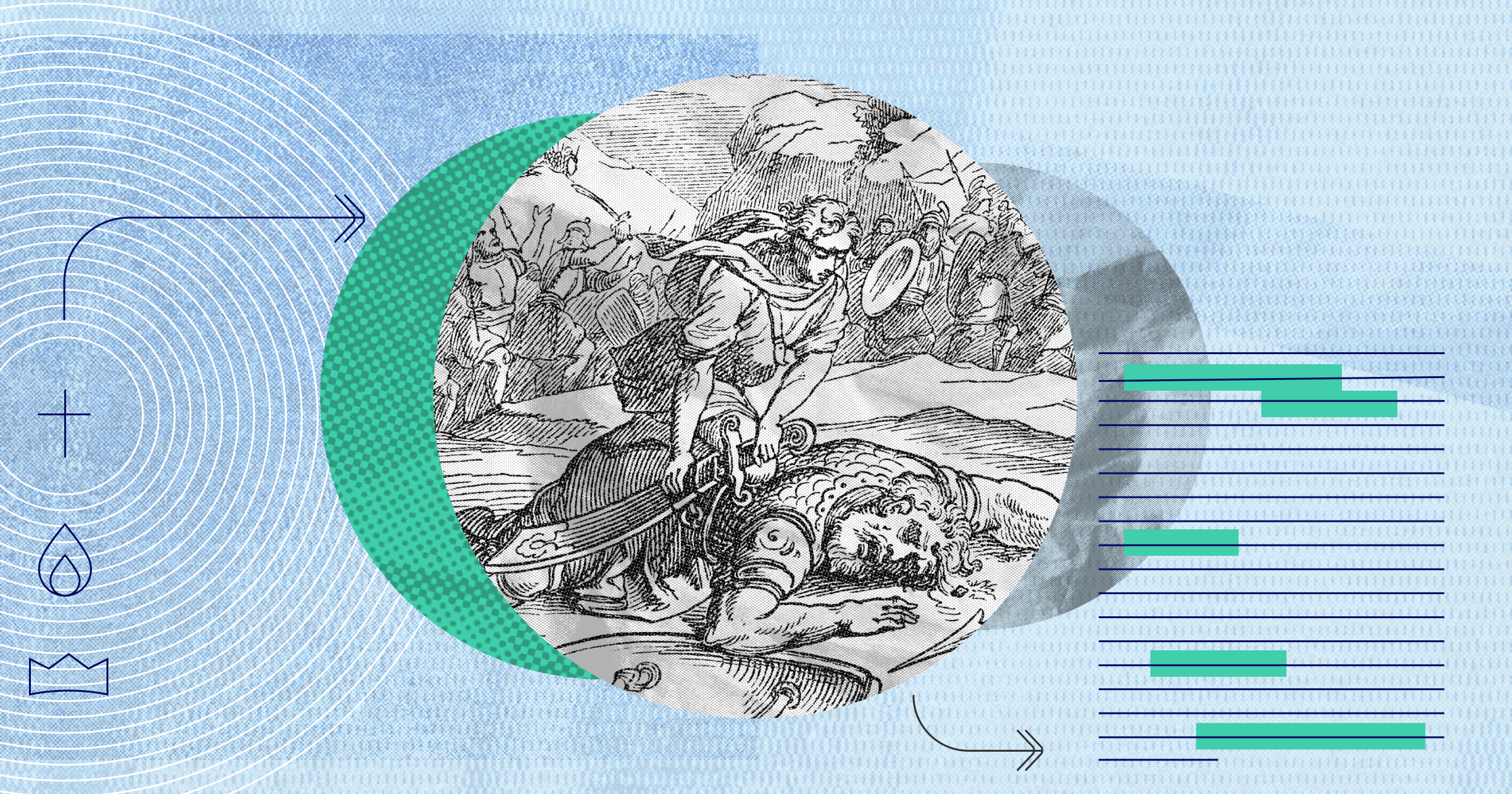
Scripture gives examples of leaders who rejected correction to their own destruction. King Uzziah grew proud in his success and rejected priestly instruction resulting in judgment. King Saul refused prophetic correction and lost his kingdom. In contrast David though deeply flawed was willing to receive rebuke from the prophet Nathan. This distinction shows that true spiritual leadership embraces correction while false leadership despises it.
False preachers also twist the concept of spiritual authority to avoid accountability. They demand submission from those under them but refuse to submit to anyone themselves. This contradicts Hebrews 13:17 which teaches that leaders must give account to God for how they shepherd His flock. The verse does not portray leadership as dictatorship but stewardship.
Accountability is further seen in the New Testament church structure. Paul instructed Titus to appoint elders in every city and gave qualifications that included being self controlled sober honest and able to exhort with sound doctrine. Titus 1:9 says that elders must “hold fast the faithful word as he hath been taught that he may be able by sound doctrine both to exhort and to convince the gainsayers.” This means spiritual authority is tied to both responsibility and correction.
Without accountability false preachers can operate in secrecy manipulation and corruption. They become insulated from rebuke which allows deception to grow unchecked. Proverbs 12:1 says “He that hateth reproof is brutish.” In other words a refusal to receive correction is a sign of immaturity and folly not spiritual greatness.
True pastors know that correction keeps them humble accountable and aligned with God’s will. False preachers see correction as an attack because their priority is self preservation rather than truth.
The church must recover a biblical culture where leaders are not just admired for their gifts but examined by their fruit and held accountable for their doctrine. Without this false teachers flourish in spiritual environments where no one dares to question them.





 English (US) ·