
Darkness and Light The Gospel of Mark ends with startling abruptness—three women, told that Jesus has risen from the dead, fleeing in “trembling and astonishment” (Mark 16:8). In the briefest Gospel account, sparing in its details, we are for some reason informed that this occurs “very early on the first day of the week, when the sun had risen” (Mark 16:2). What is so striking about this detail is that we are told what the sun is doing only one other time in Mark’s Gospel: at the very beginning, as Jesus ministers to people “at sundown” (Mark 1:32). Jesus then launches his ministry—not once the sun comes up but, we are told, “while it was still dark” (Mark 1:35). As the Gospel account unfolds, the alert reader feels the presence of darkness throughout the Gospel as Mark tells us repeatedly of the presence of evening darkness at regular intervals (Mark 4:35; 6:47; 11:19; 14:17; 15:42). This pervasive “evening time” looming over the whole account culminates in a total blackout from noon to 3:00 p.m. as Jesus is on the cross (Mark 15:33).1 Why? “Because the Candle that lighted the sun and the moon was blown out,” as Rutherford poetically put it in a 1643 sermon.2 Finally Home Dane Ort...
Related

Beholding Christ in All 66 Books of the Bible
47 minutes ago
0

The British Museum– Part One
6 hours ago
7

2026 Christmas Gift Guide
1 day ago
10
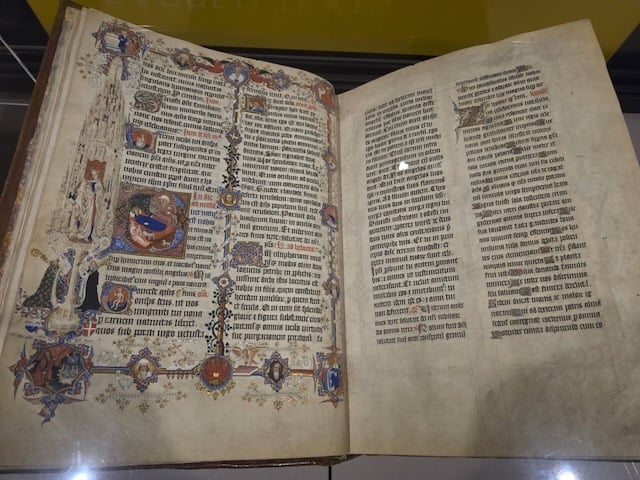
The British Library– Part Two
1 day ago
12

“What About My Sexual Feelings?”
1 day ago
13
Popular

Crossway+ Special: All ESV Study Bibles 50% Off
4 weeks ago
92

How Can I Be Freed from the Fear of Death?
3 weeks ago
91

Study Questions for Teachers and Students
3 weeks ago
77

 English (US) ·
 © Daily Bible 2026. All rights are reserved
