
Jerusalem, for most people, refers primarily to a real city in the Judaean Mountains between the Mediterranean and the Dead Sea. Also known as Zion, this city is mentioned many times in the Bible.1 But the name Jerusalem is also associated with another location in the Bible. In his letter to the Galatians, the Apostle Paul contrasts earthly Jerusalem with a “Jerusalem that is above” (Gal 4:26). The author of Hebrews also mentions a “heavenly Jerusalem” (Heb 12:22). Strikingly, this heavenly Jerusalem reappears in the final chapters of Revelation, where the Apostle John sees a “new Jerusalem” descend from heaven to a “new earth” (Rev 21:1–2, 10; cf. 3:12). What are we to make of this? Jerusalem as God’s earthly residence In the Old Testament, the city of Jerusalem stands apart from all other locations. After God dramatically redeems the Israelites from slavery in Egypt, the people sing of how he will “plant them” on a “mountain” where he will dwell in the “sanctuary” which he has established (Exod 15:17).2 This expectation of residing with God on a holy mountain is partially fulfilled after King David captures Jerusalem from the Jebusites and transports there the ark of the covenant...
Jerusalem to New Jerusalem: Tracing God’s Holy City Across Scripture
 3 weeks ago
70
3 weeks ago
70
Related

2026 Christmas Gift Guide
12 hours ago
4
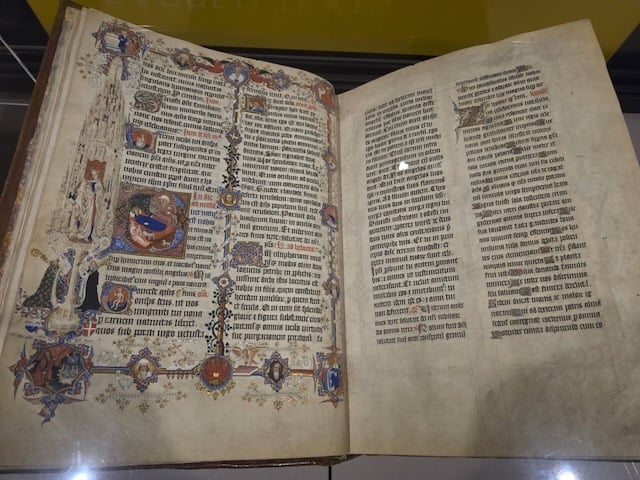
The British Library– Part Two
18 hours ago
7

“What About My Sexual Feelings?”
18 hours ago
7

4 Steps for Deeper Scripture Meditation
1 day ago
9
Popular

Crossway+ Special: All ESV Study Bibles 50% Off
4 weeks ago
90

How Can I Be Freed from the Fear of Death?
3 weeks ago
89

Study Questions for Teachers and Students
3 weeks ago
74
 English (US) ·
 © Daily Bible 2026. All rights are reserved
