
A Road Map I know that people either love or hate the idea of a chiasm—if they’ve ever even heard the idea to begin with. It’s a form of ancient Near Eastern parallelism that sounds odd to our ears because it tends to place the emphasis point at the middle of what it’s saying rather than at the end. We’re accustomed to a punchline in a joke or a moral to a story that lands on the final beat of what we’re reading, and a chiasm does something different. It starts with parallel ideas at the outsides, and it moves in toward a central idea. Psalm 139 is an easy one to pick up on without actually looking at it. It opens with, “Lord, you have searched me and known me,” and then it closes with “Search me and know me, O God.” And so then you think, If it starts and ends like that, I’m going to try to map these other parallels in toward the midpoint. I love chiasms. I do not hate them, obviously, because the Bible, for most of human history, was received by learners through an oral tradition. They didn’t have copies of the Bible. Essentially what chiasms do is give memory hooks for a listener so that they can remember a point. Dust to Dust Jen Wilkin In this biblical meditation on aging, Jen...
Related

Earliest NT Manuscripts– And Their Importance
1 hour ago
1


The Delightful Reality of God’s Happiness
1 day ago
10
Popular

Top 10 Books to Help You Study Your Bible
1 month ago
82

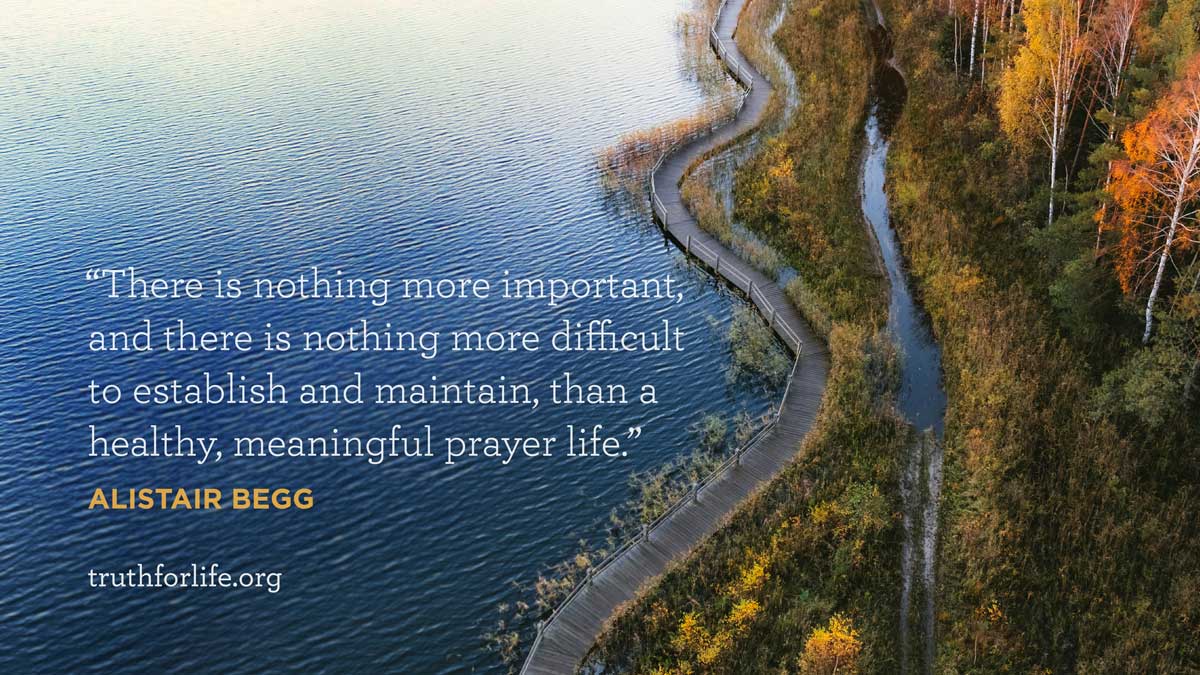
Wallpaper: Prayer Life
2 weeks ago
56
 English (US) ·
 © Daily Bible 2026. All rights are reserved
